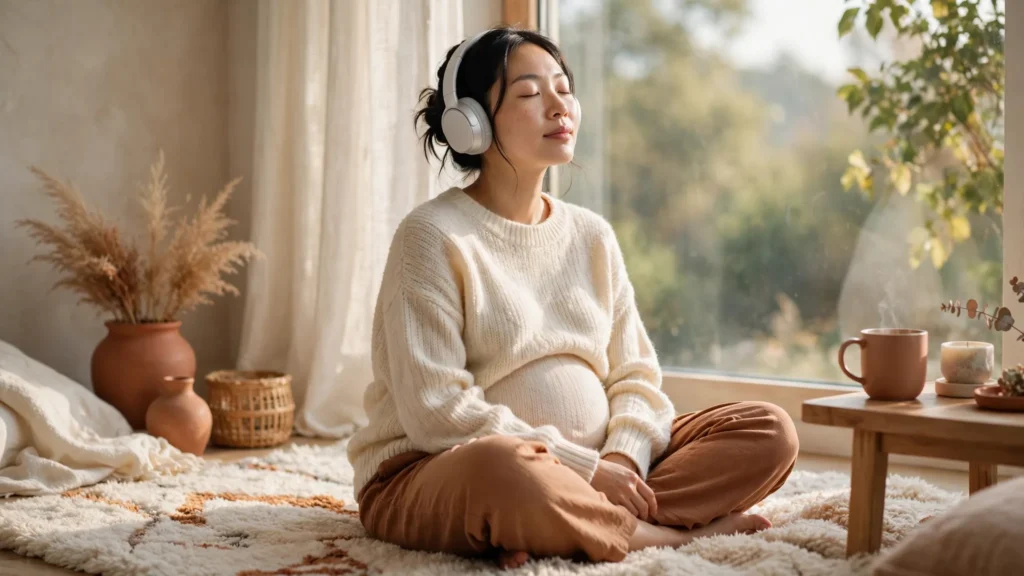
Pregnancy is a time of major physical, emotional, and lifestyle changes. As your body supports your growing baby, your priorities may shift, your energy levels may change, and routines that once felt effortless may suddenly require more planning.
This is where pregnancy wellness becomes important.
Pregnancy wellness is not about having a perfect pregnancy, following an unrealistic routine, or doing everything possible to optimize every moment. It is about supporting your physical health, emotional wellbeing, daily comfort, relationships, and overall quality of life throughout pregnancy.
For some expectant mothers, wellness may mean getting enough rest. For others, it may mean staying active, eating regularly, attending prenatal appointments, managing stress, listening to calming music, spending time with loved ones, or simply learning to slow down.
There is no single pregnancy wellness routine that works for everyone.
The goal is to build habits that are realistic for your pregnancy and compatible with the guidance of your healthcare team.
What Is Pregnancy Wellness?
Pregnancy wellness refers to the collection of habits, choices, support systems, and healthcare practices that help you care for yourself during pregnancy.
It can include:
- Prenatal healthcare
- Nutrition and hydration
- Appropriate physical activity
- Sleep and rest
- Emotional wellbeing
- Stress management
- Mental health support
- Prenatal bonding
- Relaxation
- Social connection
- Pregnancy education
- Personal safety
- Preparation for birth and postpartum life
Pregnancy wellness is therefore broader than simply “eating healthy.”
It considers the whole person.
Why Does Pregnancy Wellness Matter?
Pregnancy affects much more than your physical body.
You may experience changes in:
- Energy
- Appetite
- Sleep
- Mood
- Mobility
- Relationships
- Work
- Daily routines
- Body image
- Emotional expectations
Taking care of your overall wellbeing can help you navigate these changes more intentionally.
It also gives you opportunities to identify when something does not feel right and seek appropriate support.
Wellness should never be about ignoring symptoms or trying to manage medical problems on your own. Prenatal care remains an essential part of a healthy pregnancy.
1. Make Prenatal Care a Priority
One of the most important parts of pregnancy wellness is staying connected with your healthcare team.
Prenatal appointments provide opportunities to monitor your health and your baby’s development, discuss symptoms, ask questions, and identify potential concerns.
Depending on your individual circumstances, your care may include:
- Routine prenatal appointments
- Blood pressure checks
- Blood tests
- Ultrasound examinations
- Screening tests
- Discussions about medications
- Nutrition guidance
- Birth planning
- Mental health discussions
Your schedule may differ depending on your health, pregnancy, location, and healthcare provider.
Do not hesitate to ask questions during appointments.
A useful strategy is to keep a running list on your phone or in a pregnancy journal so that you can bring important questions to your next visit.
2. Pay Attention to Nutrition
Pregnancy increases the importance of getting adequate nutrition, but healthy pregnancy eating does not require perfection.
A balanced diet can include a variety of:
- Fruits
- Vegetables
- Whole grains
- Protein-rich foods
- Dairy or suitable alternatives
- Healthy sources of fats
- Adequate fluids
Some nutrients are particularly important during pregnancy, including folate, iron, iodine, choline, and others.
Your individual nutritional needs can vary, so discuss prenatal vitamins, supplements, dietary restrictions, and specific nutrition concerns with your healthcare provider.
If you have questions about foods to avoid or limit during pregnancy, use reliable medical or public-health guidance rather than social media advice.
3. Stay Hydrated
Hydration is another simple part of pregnancy wellness.
Keep water available throughout the day and pay attention to your body’s needs.
You may find it easier to stay hydrated by:
- Carrying a reusable water bottle
- Drinking water with meals
- Keeping water near your workspace
- Adding reminders if you frequently forget
- Choosing water instead of sugary drinks when appropriate
If you have a medical condition that affects your fluid intake, follow your healthcare provider’s guidance.
4. Stay Physically Active When Appropriate
For many people with uncomplicated pregnancies, physical activity can be an important part of staying healthy.
ACOG recommends physical activity during pregnancy for people without medical or obstetric contraindications.
Appropriate activities may include:
- Walking
- Swimming
- Prenatal exercise classes
- Stationary cycling
- Strength exercises
- Gentle mobility exercises
Your ideal activity level depends on your health, pregnancy, fitness level, and healthcare guidance.
If you are new to exercise, pregnant with complications, or unsure what activities are appropriate, talk with your healthcare provider before starting or changing an exercise routine.
The goal is not to “work off” pregnancy weight.
Movement can simply help you maintain strength, mobility, fitness, and a sense of wellbeing.
5. Listen to Your Body
Pregnancy can change from week to week.
One day you may have plenty of energy.
The next day you may feel exhausted.
Instead of forcing yourself to follow the same routine every day, learn to adapt.
Ask yourself:
How do I feel today?
You may need:
- Rest
- Movement
- Food
- Water
- Quiet
- Social connection
- Medical advice
- Emotional support
Listening to your body does not mean ignoring symptoms.
If something concerns you, speak with your healthcare provider.
6. Prioritize Sleep and Rest
Sleep can become more complicated as pregnancy progresses.
Physical discomfort, changing hormones, frequent urination, anxiety, and difficulty finding a comfortable position can all affect sleep.
You can support better rest by creating a consistent bedtime routine.
For example:
- Reduce unnecessary screen time before bed
- Keep your bedroom comfortable
- Use pillows for support
- Keep your evening routine simple
- Avoid unnecessary stimulation close to bedtime
- Give yourself enough time to wind down
You do not need to create a perfect sleep routine.
Even a few consistent habits can help make evenings feel more predictable.
7. Build a Pregnancy Relaxation Routine
Relaxation is an important part of wellness, particularly when pregnancy feels busy or overwhelming.
Your relaxation routine might include:
- Calm music
- Breathing exercises
- Reading
- Journaling
- Gentle stretching
- Meditation
- Quiet walks
- Time outdoors
- A warm shower
- Sitting quietly
You do not need an hour of free time.
A five-minute pause can still be valuable.
The key is to choose something realistic enough that you can actually maintain it.
8. Use Music as a Wellness Tool
Music can be an enjoyable part of pregnancy wellness.
You might listen to music while:
- Resting
- Preparing for bed
- Journaling
- Walking
- Practicing mindfulness
- Spending time with your partner
- Reflecting on your pregnancy
Choose music that you personally enjoy.
There is no requirement to listen to a particular genre because you are pregnant.
Keep the volume comfortable and avoid prolonged exposure to extremely loud environments.
Music can support a calming routine, but it should not be treated as a replacement for medical or mental health care.
9. Practice Mindfulness During Pregnancy
Mindfulness means intentionally paying attention to the present moment rather than constantly becoming caught up in past events or future worries.
Pregnancy can provide many opportunities for simple mindfulness.
Try noticing:
- Your breathing
- Your surroundings
- Your physical sensations
- Sounds around you
- Your thoughts
- Your emotions
You might practice mindfulness while:
- Drinking tea
- Walking
- Listening to music
- Eating
- Taking a shower
- Resting
- Journaling
You do not have to clear your mind completely.
The goal is simply to notice what is happening without immediately judging it.
10. Take Care of Your Emotional Wellbeing
Pregnancy can bring excitement and happiness, but it can also bring worry, uncertainty, frustration, or sadness.
Give yourself permission to acknowledge your emotions.
You might find it helpful to:
- Talk to someone you trust
- Journal
- Join a pregnancy support group
- Spend time with supportive people
- Practice relaxation
- Take breaks from stressful information
- Discuss concerns with your healthcare provider
You do not have to pretend that pregnancy is emotionally easy all the time.
11. Pay Attention to Pregnancy Stress
Some stress is a normal part of life.
Pregnancy can introduce additional sources of stress, including:
- Medical appointments
- Financial concerns
- Work
- Relationship changes
- Birth fears
- Parenting worries
- Physical discomfort
- Uncertainty about the future
Simple stress-management strategies may include:
- Taking regular breaks
- Moving your body appropriately
- Spending time with supportive people
- Listening to calming music
- Practicing mindfulness
- Organizing tasks
- Getting enough rest
- Limiting unnecessary information overload
If stress or anxiety becomes persistent, overwhelming, or difficult to manage, speak with your healthcare provider.
12. Build a Support System
Pregnancy does not have to be managed alone.
Your support system might include:
- Your partner
- Family
- Friends
- Midwives
- Doctors
- Therapists
- Pregnancy groups
- Community organizations
Think about both emotional and practical support.
Someone who helps prepare meals or run errands may be just as valuable as someone who provides emotional encouragement.
You can also let people know specifically what kind of help you need.
13. Make Time for Prenatal Bonding
Pregnancy wellness is not only about physical health.
For many expectant parents, pregnancy also provides opportunities to develop an emotional connection with their baby.
Prenatal bonding might involve:
- Talking to your baby
- Singing
- Reading aloud
- Listening to music
- Journaling
- Reflecting on your pregnancy
- Looking at ultrasound images
- Sharing pregnancy moments with your partner
There is no single correct way to bond.
Some parents feel connected immediately, while others develop that connection gradually.
Do not pressure yourself to experience pregnancy in a particular emotional way.
14. Keep Track of Your Pregnancy Progress
Tracking can help you understand where you are in your pregnancy and prepare for upcoming appointments and milestones.
You might track:
- Pregnancy week
- Appointments
- Questions
- Symptoms
- Important milestones
- Test results
- Personal reflections
- Baby-related preparations
A pregnancy app can make this easier, but you can also use a notebook, calendar, or journal.
Tracking should support you rather than increase anxiety.
You do not need to record every single detail.
15. Be Selective About Pregnancy Information
There is an enormous amount of pregnancy information online.
Not all of it is reliable.
When researching pregnancy, prioritize information from:
- Your healthcare provider
- Government health agencies
- Professional medical organizations
- Hospitals and health systems
- Reputable medical institutions
- Peer-reviewed research
Be cautious about social media posts that make dramatic claims without evidence.
A useful question to ask is:
Who created this information, and what evidence supports the claim?
16. Create a Pregnancy Question List
Instead of trying to remember every question during an appointment, keep a running list.
Your questions might include:
- Is this symptom normal?
- Can I continue this exercise?
- Are these medications safe?
- What foods should I avoid?
- How can I improve my sleep?
- What should I expect at my next appointment?
- What warning signs should I know about?
- What should I prepare for postpartum?
Write questions down as they occur.
This can make appointments more productive and reduce the pressure to remember everything.
17. Practice Safe Self-Care
Self-care during pregnancy does not have to mean expensive treatments or elaborate routines.
It can be as simple as:
- Getting enough rest
- Eating regularly
- Staying hydrated
- Taking an appropriate walk
- Reading
- Listening to music
- Spending time with people you love
- Saying no to unnecessary commitments
- Taking a quiet break
The best self-care routine is usually one that fits into your real life.
18. Protect Your Mental Space
Pregnancy can expose you to a constant stream of information.
You may see:
- Pregnancy advice
- Birth stories
- Parenting videos
- Product recommendations
- Medical information
- Pregnancy comparisons
- Social media discussions
Consuming too much information can sometimes increase worry rather than reduce it.
Consider setting boundaries around pregnancy content.
You do not need to read every pregnancy article or watch every birth video.
Choose reliable information sources and give yourself permission to disconnect.
19. Prepare for Changes in Your Body
Pregnancy changes your body in ways that can be exciting, uncomfortable, surprising, or emotionally complicated.
You may experience:
- Weight changes
- Stretch marks
- Breast changes
- Skin changes
- Abdominal growth
- Changes in posture
- Swelling
- Fatigue
- Changes in mobility
Try to treat your changing body with patience.
Pregnancy is not a time when your body needs to look a particular way.
If a physical change concerns you, discuss it with your healthcare provider rather than relying on comparisons with other pregnancies.
20. Make Your Daily Routine Flexible
A rigid routine may become frustrating when pregnancy symptoms change.
Instead, create a flexible structure.
For example:
Morning
- Hydrate
- Eat breakfast
- Take medications or supplements as prescribed
- Review your priorities
Afternoon
- Eat lunch
- Move if appropriate
- Take a short break
- Drink water
Evening
- Reduce unnecessary tasks
- Spend time relaxing
- Listen to music
- Journal or practice mindfulness
Before bed
- Prepare your sleeping environment
- Put away unnecessary screens
- Give yourself time to wind down
You can adapt this routine based on your energy and healthcare needs.
21. Create Small Moments of Joy
Pregnancy wellness should not become another list of responsibilities.
Make room for things you genuinely enjoy.
This could include:
- Music
- Movies
- Books
- Cooking
- Time with friends
- Nature
- Creative activities
- Photography
- Shopping for baby items
- Journaling
- Date nights
- Quiet mornings
Enjoyment is part of wellbeing too.
22. Prepare for Postpartum Wellness
Pregnancy wellness should extend beyond the day your baby arrives.
Before birth, begin thinking about postpartum life.
Consider:
- Who can help you?
- How will meals be handled?
- Where will you rest?
- Who will manage household tasks?
- What healthcare appointments will you need?
- What emotional support will be available?
- What routines might help you stay grounded?
You do not need to plan every detail.
Simply thinking ahead can make the transition easier.
23. Use Womb Serenade as Part of Your Pregnancy Wellness Routine
Womb Serenade can fit naturally into a broader pregnancy wellness routine by combining audio experiences with other pregnancy-focused features.
Instead of treating it as another task to complete, you can use it during moments when you already want to slow down.
For example, you might use Womb Serenade while:
- Practicing mindfulness
- Journaling
- Resting
- Preparing for bed
- Reflecting on your pregnancy
- Creating a prenatal bonding routine
- Taking a short break during a busy day
The value is in creating intentional moments rather than trying to use the app for a fixed amount of time every day.
Womb Serenade is designed to complement pregnancy wellness and prenatal care. It does not replace your healthcare provider, prenatal appointments, medical advice, or mental health support.
24. Know When to Ask for Help
Pregnancy wellness includes recognizing when you need additional support.
Contact your healthcare provider if you are concerned about a physical symptom or change.
You should also seek professional support if you are experiencing persistent emotional difficulties, including:
- Severe anxiety
- Persistent sadness
- Panic
- Feelings of hopelessness
- Difficulty functioning
- Significant sleep problems
- Loss of interest in things you normally enjoy
- Thoughts of harming yourself
You do not have to manage serious physical or emotional concerns alone.
A Simple Pregnancy Wellness Checklist
You can use this checklist as a starting point:
- Attend prenatal appointments
- Ask questions when something concerns you
- Eat a varied, balanced diet
- Stay hydrated
- Stay physically active when appropriate
- Prioritize rest
- Create a comfortable bedtime routine
- Make time for relaxation
- Practice mindfulness
- Spend time with supportive people
- Make room for enjoyable activities
- Track important pregnancy milestones
- Use reliable pregnancy information
- Take care of your emotional wellbeing
- Create moments for prenatal bonding
- Prepare for postpartum support
- Know when to seek professional help
You do not need to complete every item every day.
Think of this as a collection of options rather than a checklist you can fail.
A Practical Weekly Pregnancy Wellness Routine
If you want a simple structure, try a weekly check-in.
Physical
Ask:
How does my body feel this week?
Think about sleep, movement, nutrition, hydration, and any symptoms you want to discuss with your healthcare provider.
Emotional
Ask:
How have I been feeling emotionally?
Notice whether you have felt calm, overwhelmed, anxious, happy, frustrated, or emotionally exhausted.
Social
Ask:
Who have I connected with?
Make time for people who make you feel supported.
Pregnancy
Ask:
What is coming up next?
Review appointments, milestones, questions, and preparations.
Personal
Ask:
What do I need for myself?
Choose one small activity that gives you rest, enjoyment, or a sense of connection.
Frequently Asked Questions About Pregnancy Wellness
What is pregnancy wellness?
Pregnancy wellness is a broad approach to supporting your physical health, emotional wellbeing, mental health, relationships, daily comfort, and overall quality of life during pregnancy.
What are the most important parts of pregnancy wellness?
Important areas include prenatal care, nutrition, hydration, appropriate physical activity, rest, emotional wellbeing, stress management, social support, reliable health information, and preparation for postpartum life.
How can I improve my wellbeing during pregnancy?
Start with simple habits that fit your life: attend prenatal appointments, eat regularly, stay hydrated, move appropriately, rest, connect with supportive people, make time for relaxation, and seek professional support when needed.
Is exercise part of pregnancy wellness?
For many people with uncomplicated pregnancies, physical activity can be beneficial. However, individual recommendations vary, so discuss your exercise routine with your healthcare provider, especially if you have pregnancy or medical complications.
Can music be part of pregnancy wellness?
Yes. Music can be part of a personal relaxation, mindfulness, or prenatal bonding routine. Choose music you enjoy, keep the volume comfortable, and avoid prolonged exposure to extremely loud environments.
How can I manage stress during pregnancy?
Try practical strategies such as rest, appropriate movement, relaxation, mindfulness, music, journaling, social support, and reducing unnecessary information overload. If stress becomes persistent or overwhelming, speak with your healthcare provider.
How can I support my mental health during pregnancy?
Stay connected with supportive people, make time for rest and activities you enjoy, and talk with your healthcare provider about persistent anxiety, sadness, or other emotional concerns.
Do I need a pregnancy wellness app?
No. A pregnancy app is optional. Some people find apps useful for tracking pregnancy progress, accessing educational information, organizing milestones, or building wellness routines. Choose one based on the features and information quality that matter to you.
How can Womb Serenade fit into pregnancy wellness?
Womb Serenade can be used as part of an audio-focused pregnancy wellness routine, including relaxation, mindfulness, journaling, prenatal bonding, and quiet reflection. It is designed to complement not replace professional prenatal care.
Final Thoughts
Pregnancy wellness is not about doing everything perfectly.
It is about supporting yourself through a period of enormous physical, emotional, and personal change.
Take care of the fundamentals: stay connected with your healthcare team, nourish your body, move when appropriate, rest, stay hydrated, and pay attention to your emotional wellbeing.
Then build around those foundations with things that make pregnancy feel more manageable and meaningful music, mindfulness, journaling, prenatal bonding, supportive relationships, quiet moments, and activities you genuinely enjoy.
Your wellness routine does not need to be complicated.
Sometimes it can be as simple as drinking a glass of water, taking a short walk, listening to a calming song, talking to someone you trust, or giving yourself permission to rest.
The goal is not to create the “perfect pregnancy.”
It is to support yourself through your pregnancy in a way that is healthy, realistic, and sustainable.